Use this guide as a starting point, then follow verified product labels and plant-specific care information for your actual growing setup.
Quick answer
Key takeaways
- Garden soil or a loam-based blend usually forms the main planting base.
- Vermicast is commonly used as an amendment rather than as the entire growing medium.
- Natural rice hull and carbonized rice hull are related but different materials.
- The plant, container or bed, drainage, and verified product label should guide the final choice.
The quick comparison
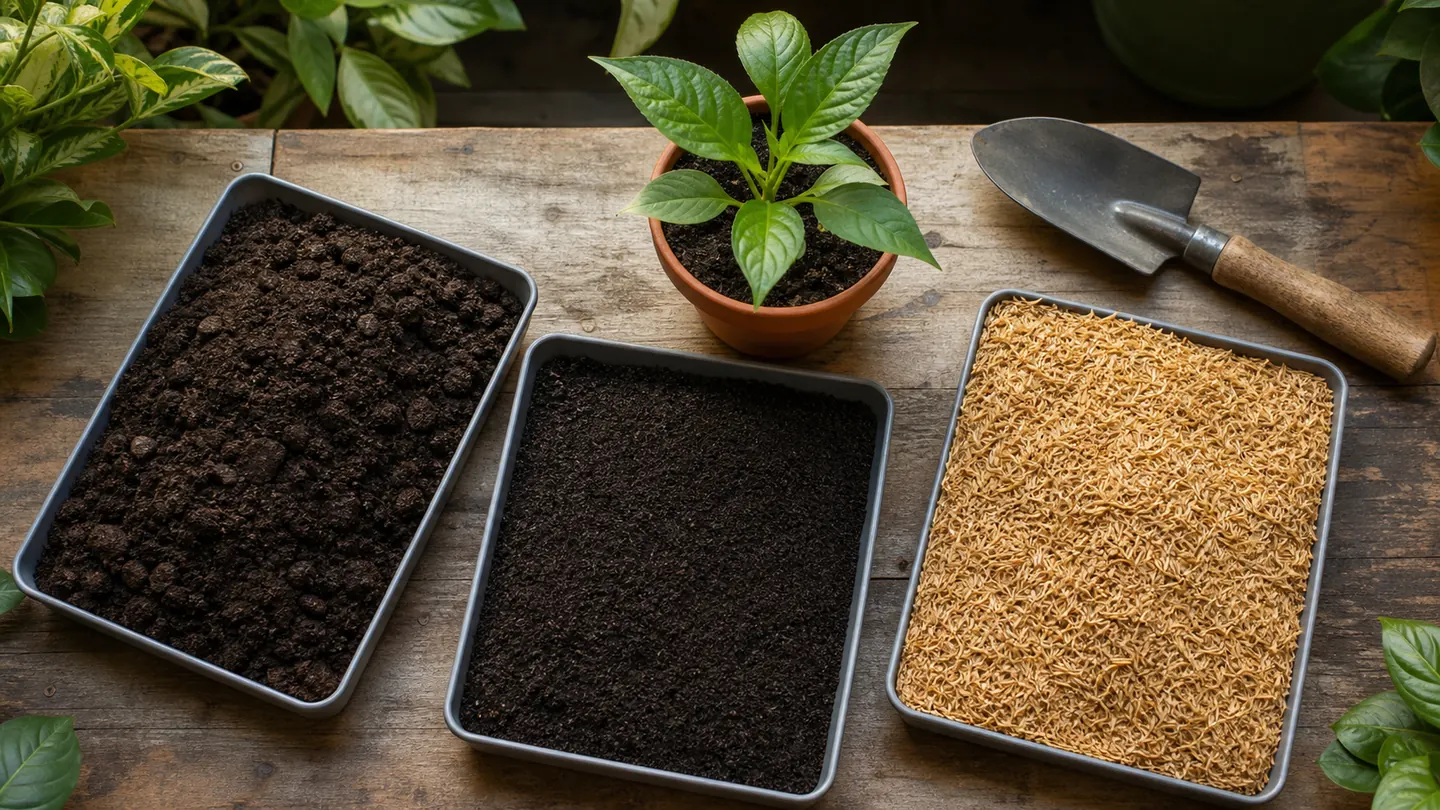
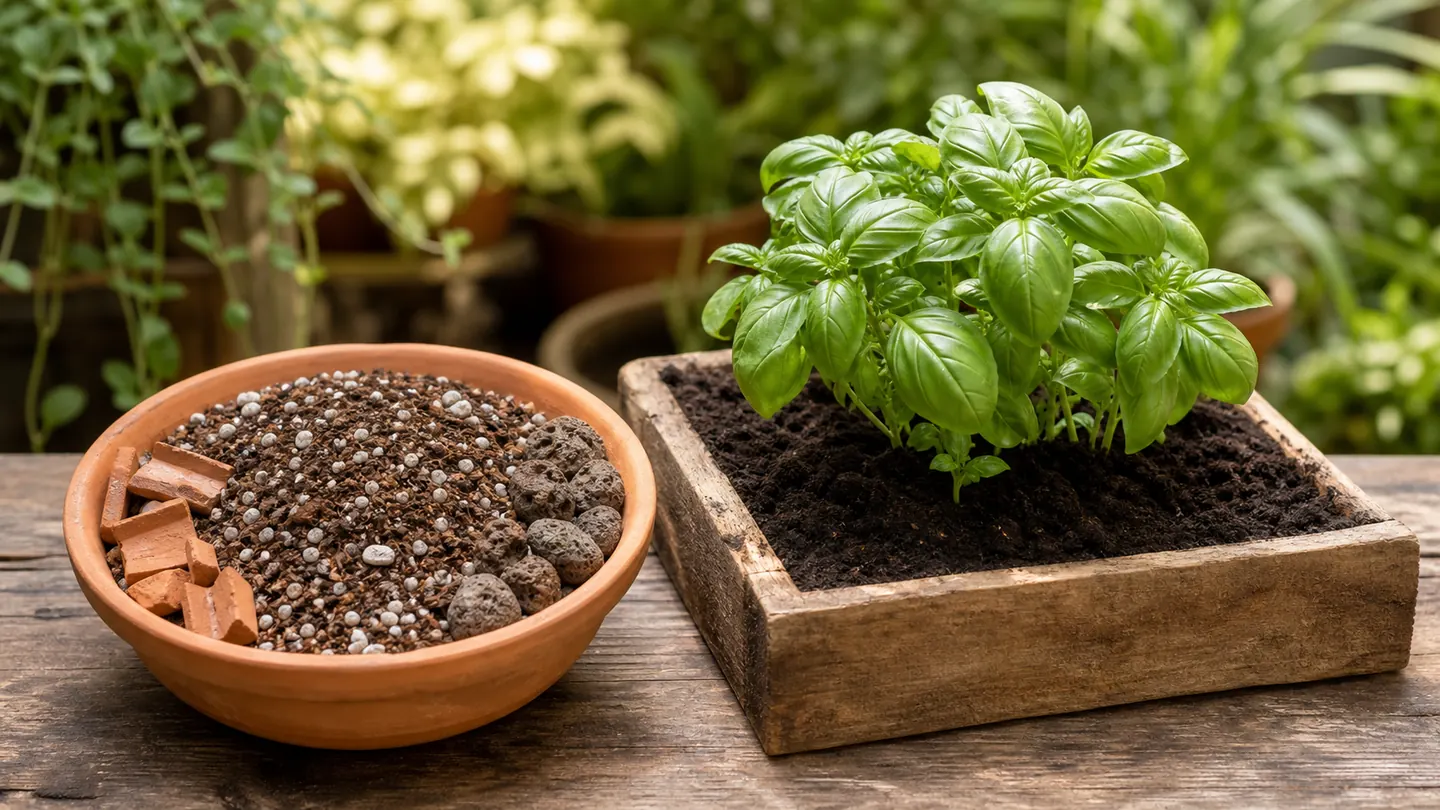
These materials do different jobs. Garden soil is a broad retail category, while loam describes a workable soil texture with a balance of particle sizes. Vermicast comes from a worm-assisted composting process and is normally added to another growing medium. Rice hull is a lightweight agricultural material used in some Philippine potting and garden mixtures. Treating all four as interchangeable can lead to a mix that is too heavy, too light, or unsuitable for the plant.
- Use a base soil or planting mix to hold and support roots.
- Use an amendment such as vermicast to change the organic component of a mix.
- Use a structural material such as rice hull only when it suits the intended texture and drainage.
- Check whether a product is intended for containers, garden beds, seedlings, or landscaping.
Start with the growing space
A pot has a limited volume and depends on open drainage holes, so it cannot handle water exactly like an in-ground bed. A raised bed interacts with a larger mass of soil, while a landscaping project may need fill depth, access, compaction, and delivery planning. Identify the space first, then choose the material. The Department of Agriculture's Agricultural Training Institute publishes several example mixtures for Philippine container and home-gardening setups, but those examples vary by crop and should not be treated as one universal recipe.
- Pots: confirm drainage, container size, and a medium suitable for the plant.
- Raised or in-ground beds: inspect the existing soil before adding more material.
- Seedlings: use a fine, clean medium that follows crop-specific guidance.
- Large projects: calculate volume and confirm product size, handling, and delivery details.
Understand garden soil and loam
The words on a bag do not always describe exactly the same composition between sellers. A loam-based product may be sold as garden soil, complete soil, or a ready-to-use blend. Read the current ingredient list and intended-use statement instead of choosing by color alone. ATI's lowland urban-gardening material describes a useful growing medium as porous, well-draining, and able to support root aeration, then gives a loam, compost, and rice-hull or coir example. That is a helpful framework: aim for a workable structure, not a single magic ingredient.
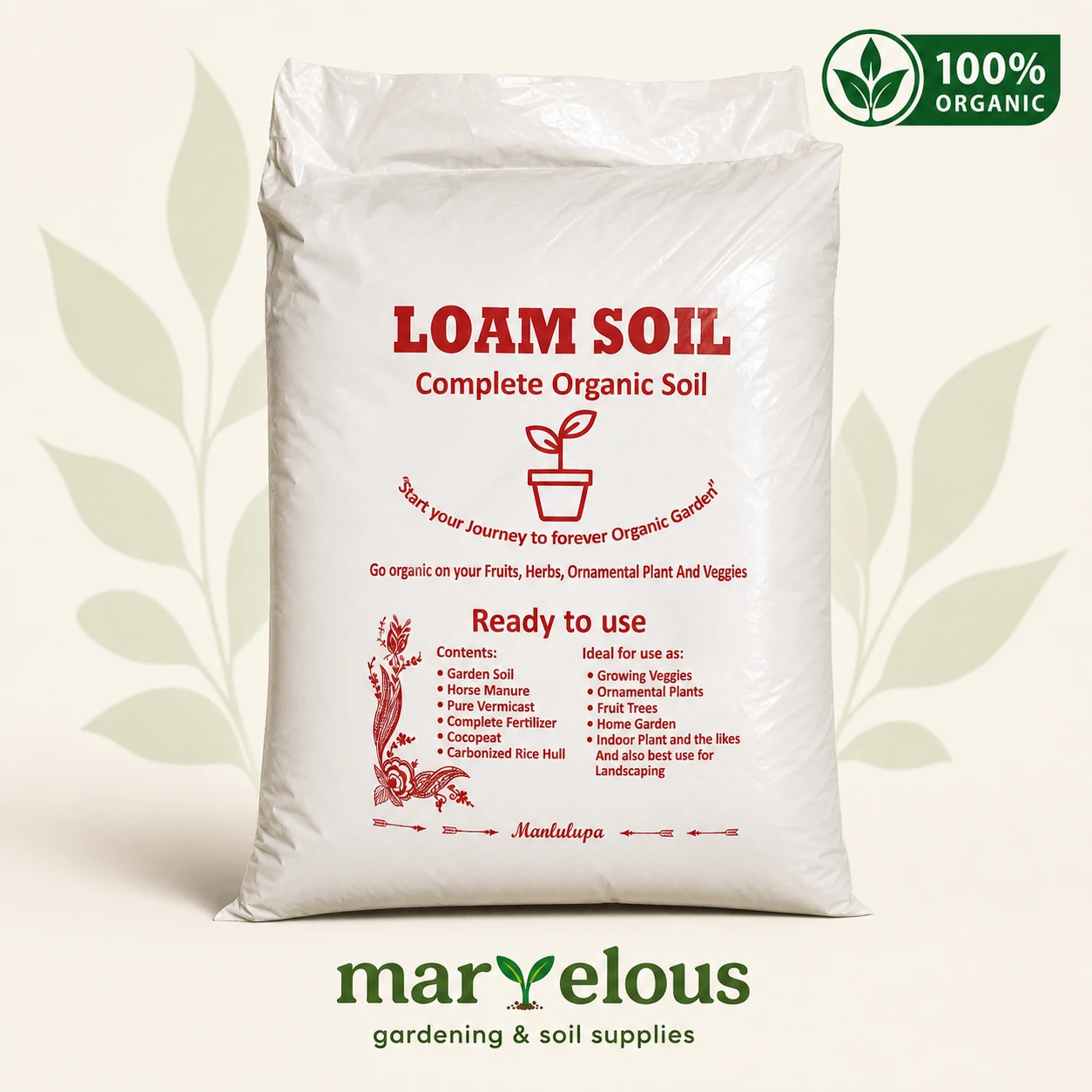
Marvelous Organic Loam Soil is a ready-to-use blend. Review its current product page and packaging for confirmed ingredients, size, directions, and suitable uses.
Use vermicast as a purposeful amendment
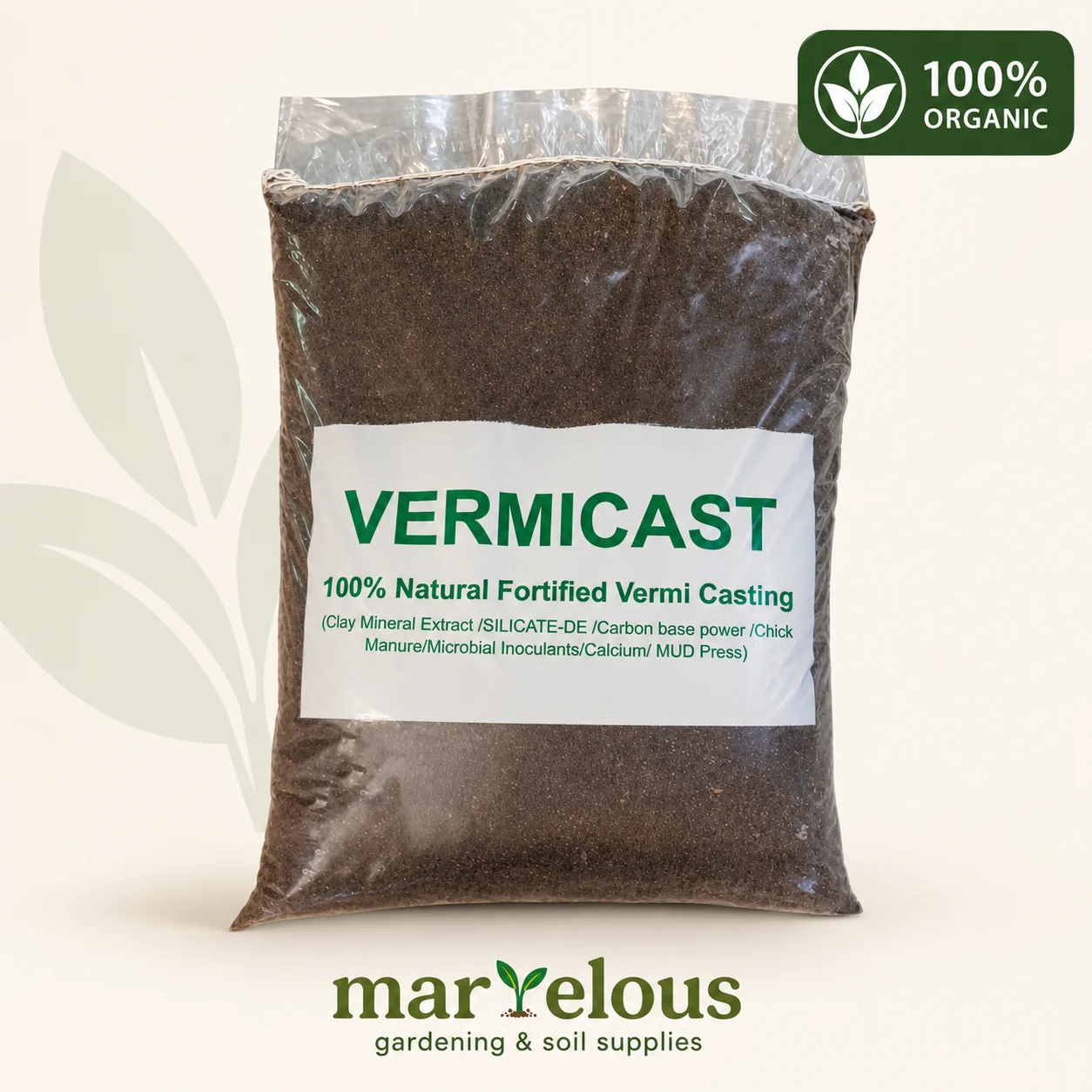
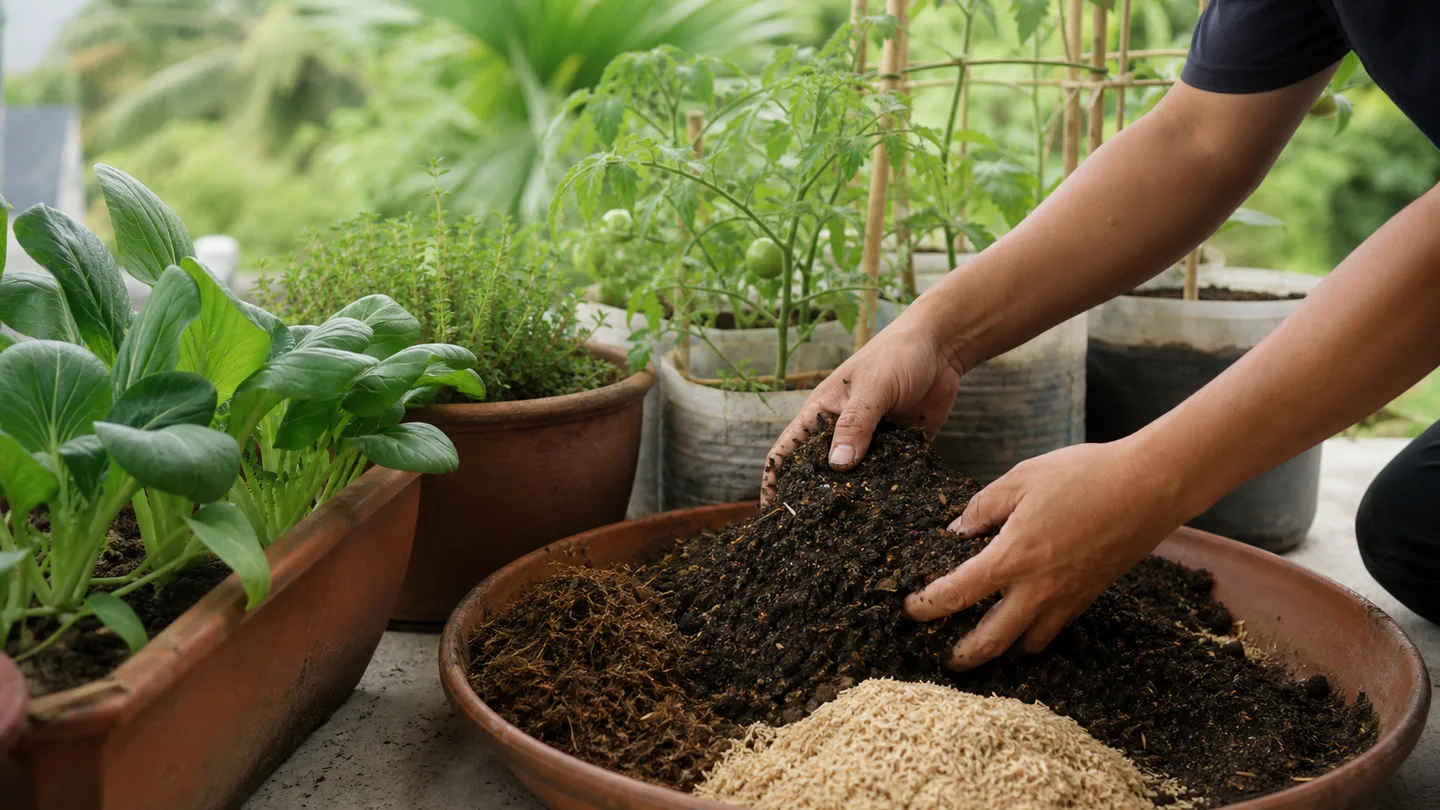
Vermicast is not simply another name for garden soil. The National Organic Agriculture Program describes vermicompost as material produced from biodegradable inputs through a worm-assisted process. Its guide shows different uses for seedlings and established plants, while ATI examples combine vermicast with other media. Begin with the current product directions and the needs of the plant. Mix evenly, avoid unmeasured heavy applications, and change one part of the setup at a time so you can observe the result.
- For a new mix, combine vermicast with a verified base medium rather than guessing.
- For established plants, loosen only the surface carefully and avoid damaging roots.
- Keep drainage open and observe moisture after changing the mix.
- Store unused material sealed, shaded, and protected from excess moisture.
Do not confuse rice hull with carbonized rice hull
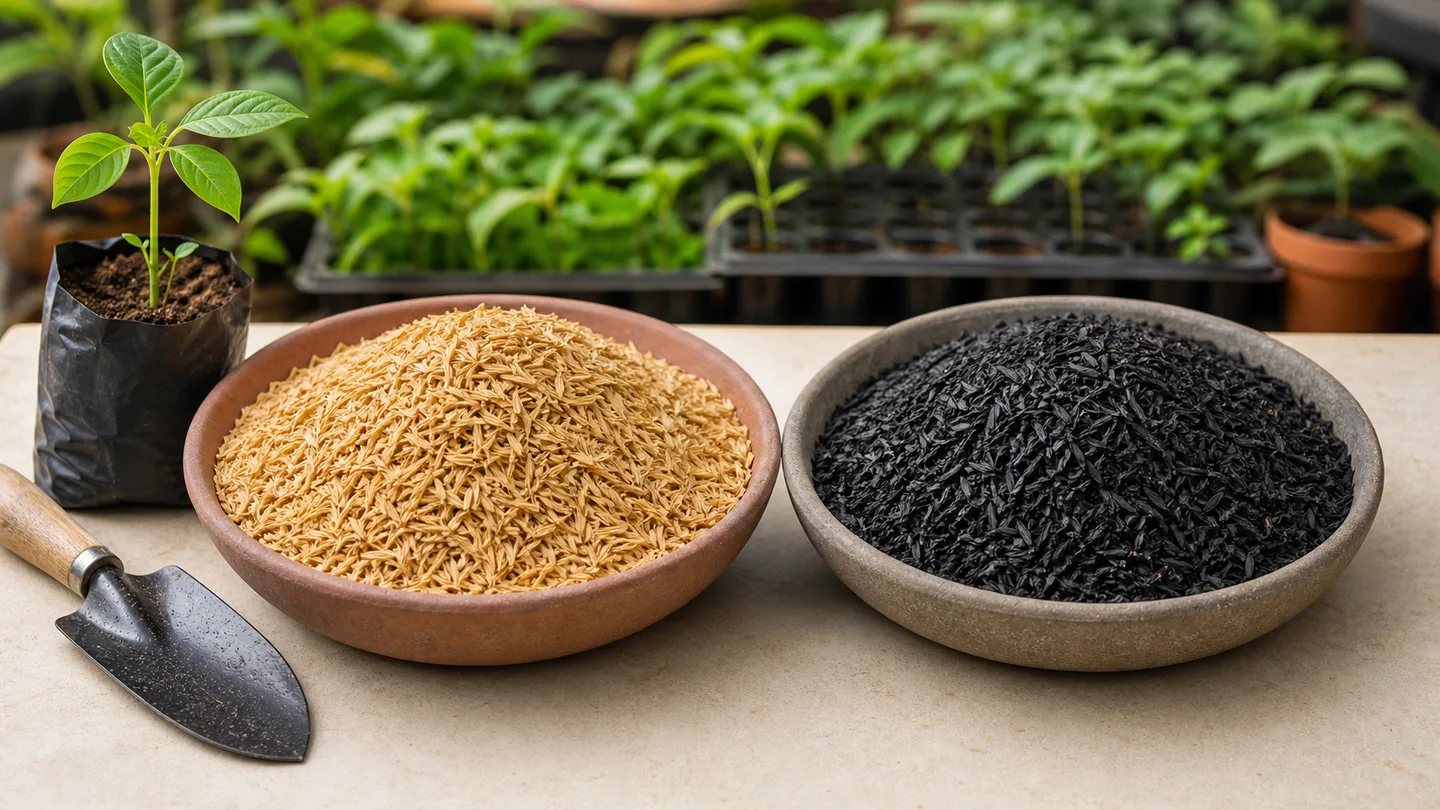
Natural rice hull is the light golden outer covering removed from rice grain. Carbonized rice hull, often shortened to CRH or called inuling na ipa, has been processed with heat into a dark biochar-like material. Philippine agriculture references use both materials in growing-media examples, while DA-PhilRice specifically describes carbonized rice hull as the biochar produced by a carbonizer. Benefits documented for CRH should not automatically be claimed for an uncarbonized rice-hull product.
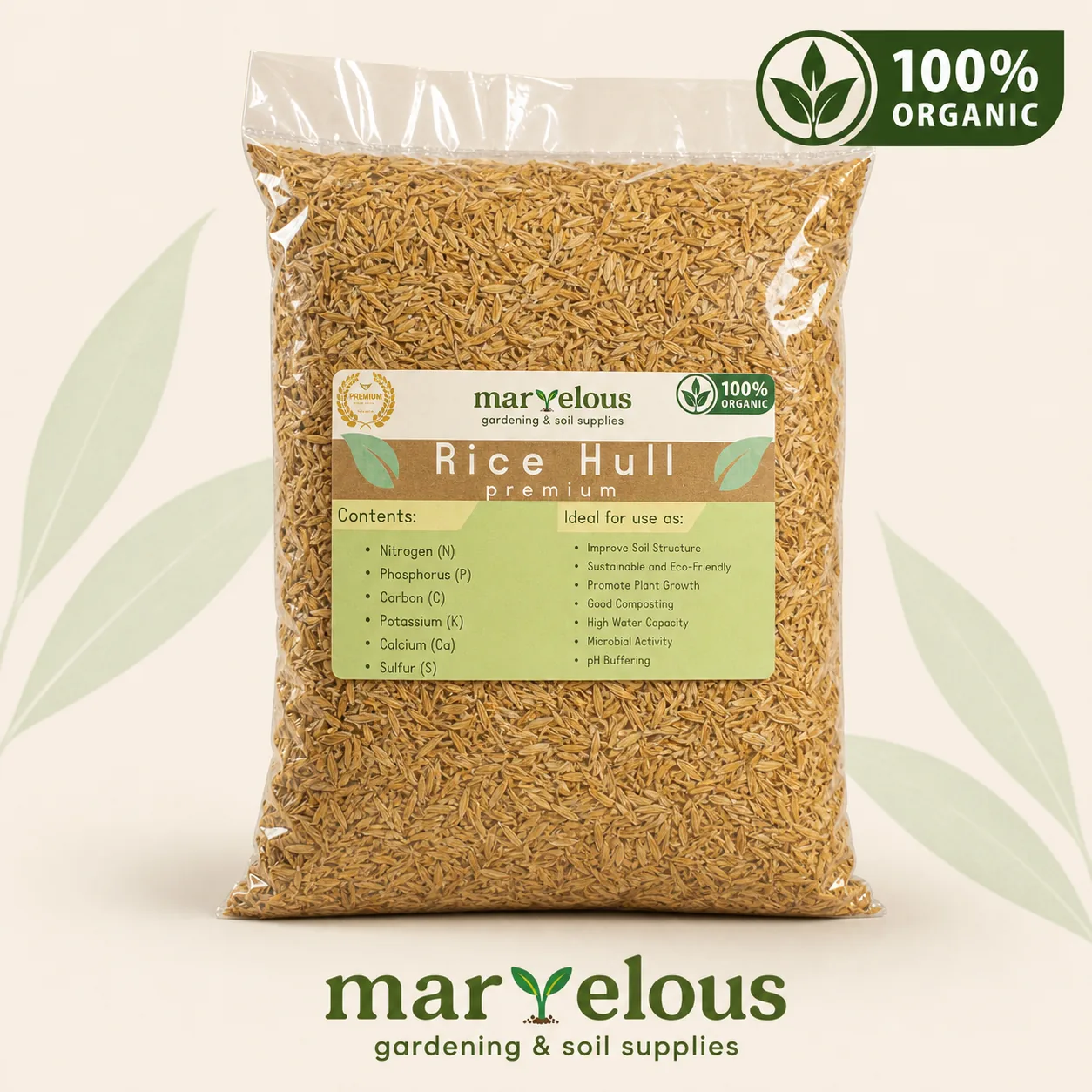
Marvelous Premium Rice Hull is natural rice hull. It is not presented on this website as carbonized rice hull.
Use a simple decision checklist
Before buying, write down the plant, growing space, current material, drainage condition, and the result you want. Compare those notes with the verified product label. If you are filling several pots or a bed, calculate the required volume before translating it into packs. Ask for help when the label does not answer a crop-specific question or when the project involves a large quantity, delivery access, or a fixed schedule.
- What plant are you growing, and is it a seedling or an established plant?
- Will it grow in a pot, raised bed, open ground, or landscaped area?
- Does water leave the space properly after irrigation or rain?
- Are you choosing a base medium, an amendment, or a structural component?
- What pack size or measured volume is confirmed for the product?
Common questions
Frequently asked questions
Is loam soil the same as garden soil?
Not always. Loam describes soil texture, while garden soil is a broad product category. Read the product's confirmed composition and intended use because two bags with similar names can contain different blends.
Can I grow a plant in pure vermicast?
Do not assume that pure vermicast is the correct complete medium. Official Philippine guides show vermicast used in specific applications and mixtures. Follow the plant guidance and the current product directions.
Is rice hull a fertilizer?
Natural rice hull is commonly used as a lightweight component in growing media or composting. Do not treat it as a complete fertilizer, and do not transfer claims about carbonized rice hull to a natural rice-hull product.
What soil-mix ratio should I use?
There is no single ratio for every plant and growing space. Philippine agriculture guides publish different examples for different crops and setups. Use those as references, then follow crop-specific and product-specific directions.
Sources and further reading
Official references used
This guide was prepared using current Marvelous Gardening product information and the Philippine agriculture resources below. External guidance may be updated by its publisher.
- Container GardeningDepartment of Agriculture – Agricultural Training Institute
- Urban Agriculture for Lowland AreasDepartment of Agriculture – Agricultural Training Institute
- The many uses of heat from the carbonizerDepartment of Agriculture – Philippine Rice Research Institute
Ready to explore?
Find a product for your growing project
Review the product information, then check the official Shopee store for current retail details or request a quotation for larger requirements.