Use this guide as a starting point, then follow verified product labels and plant-specific care information for your actual growing setup.
Quick answer
Key takeaways
- Natural rice hull is light golden agricultural material from rice processing.
- Carbonized rice hull is dark material produced by heating rice hull in a carbonizer.
- Both appear in Philippine growing-media references, but they are not the same product.
- Choose and describe the material by its actual processing and current label.
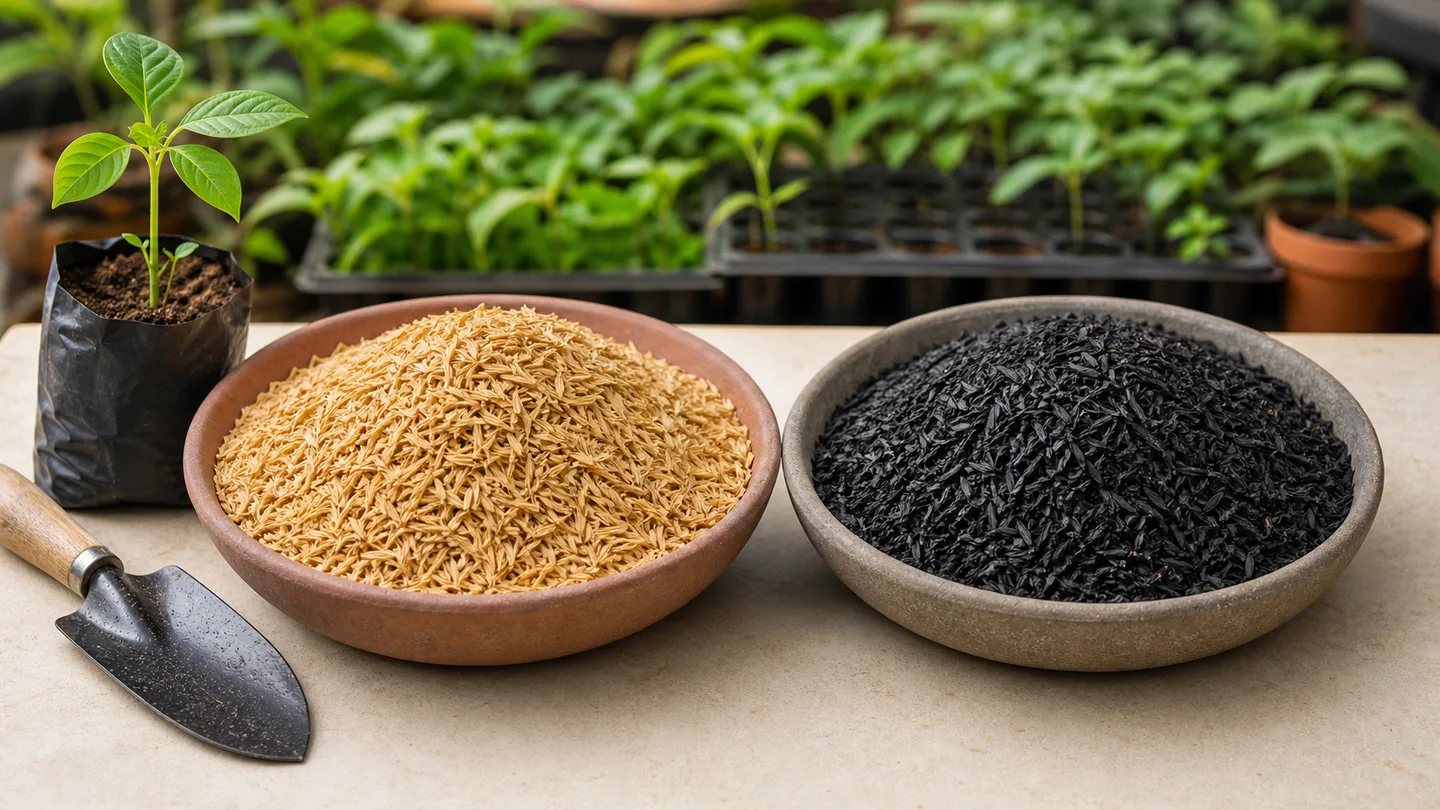
See the difference first
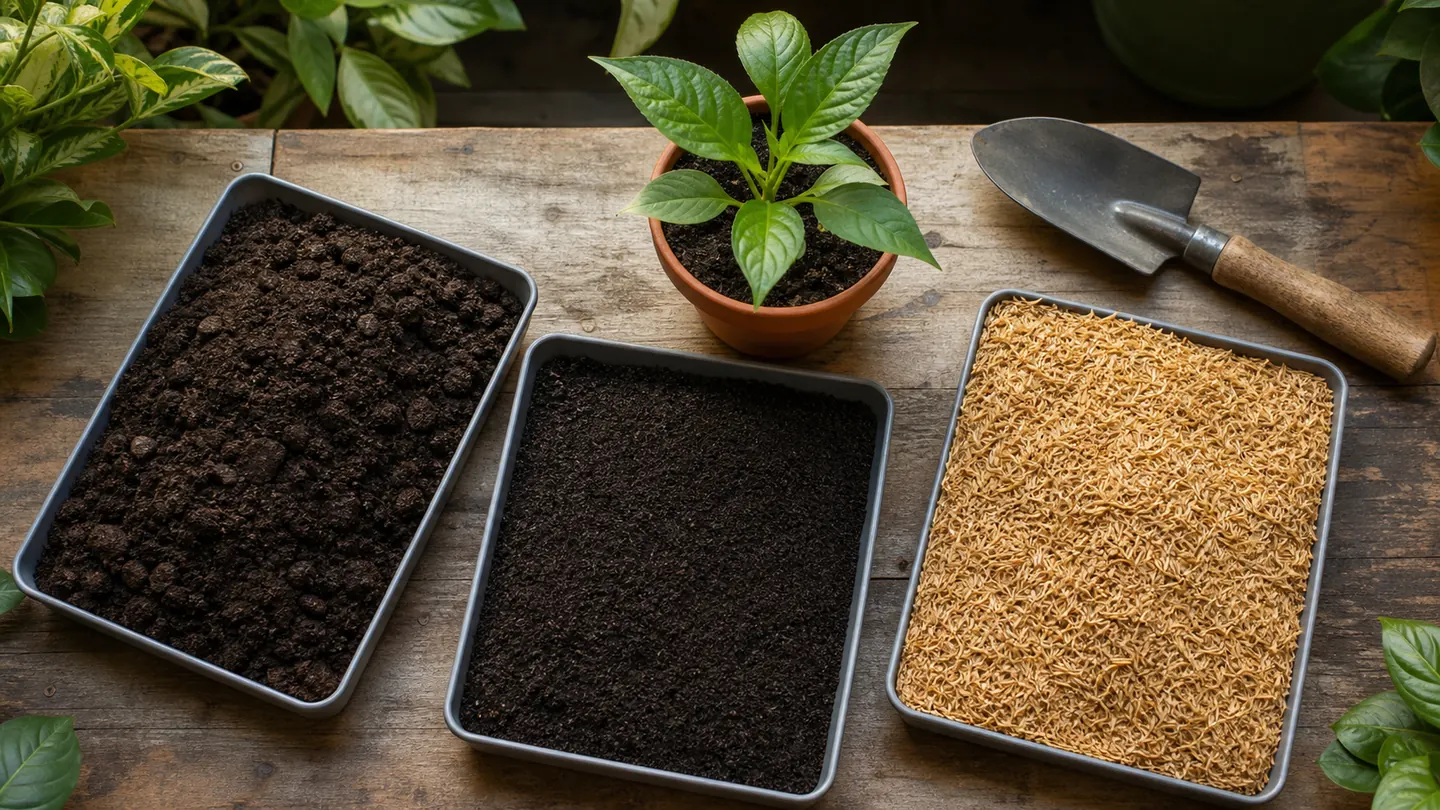
Natural rice hull, also called rice husk or ipa, is the outer covering removed from rice grain. It is usually light golden and retains its recognizable hull shape. Carbonized rice hull is made by heating rice hull under controlled conditions. DA-PhilRice describes its carbonizer as converting rice hull into biochar, producing the dark material commonly abbreviated as CRH. Appearance is useful for orientation, but the product label remains the dependable identifier.
How natural rice hull is used
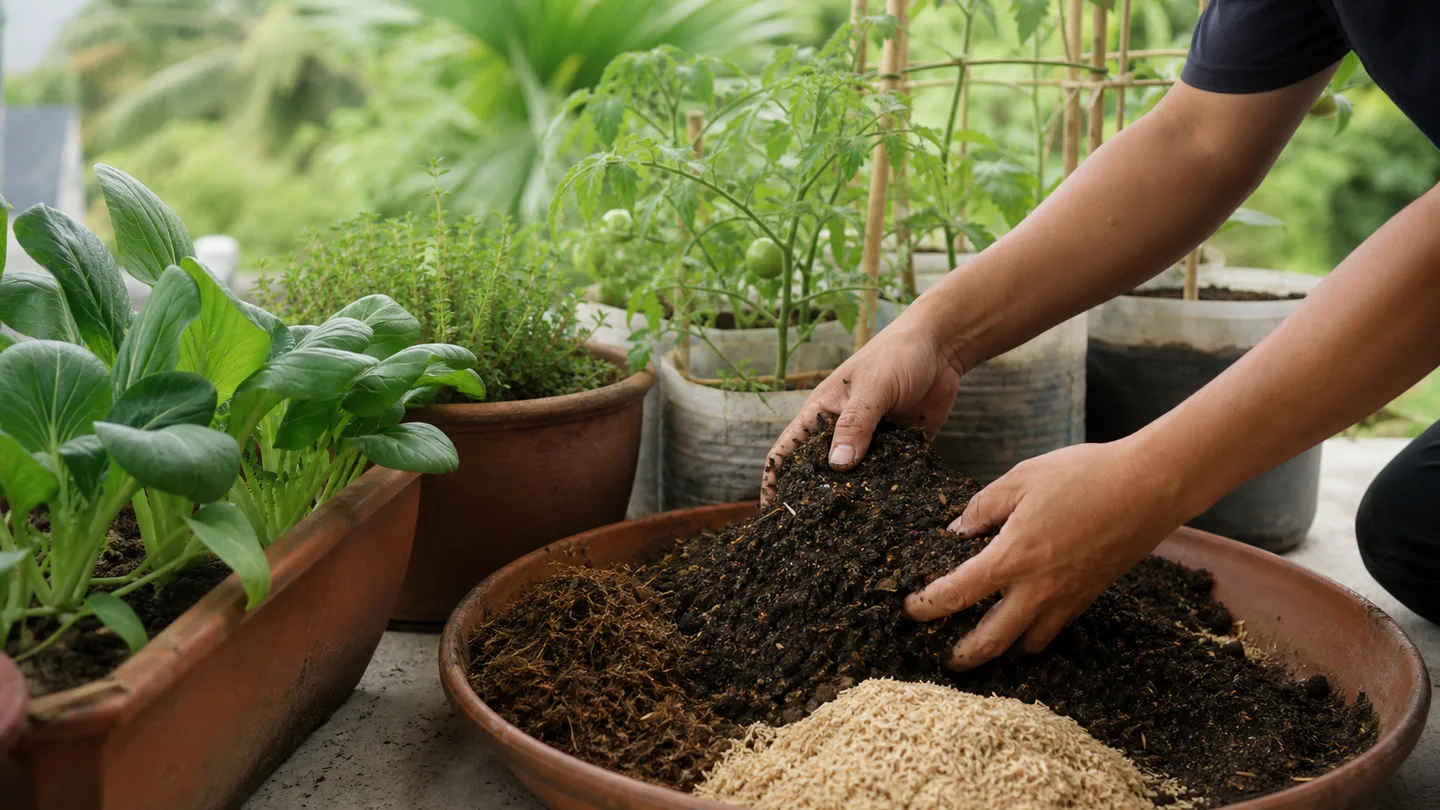
Philippine urban and home-gardening materials include rice hull as one possible component in certain growing-media preparations. In those examples, it is combined with soil and compost or vermicast rather than presented as a complete stand-alone medium. Natural rice hull can add lightweight bulk and space within a blend, and it also appears in composting contexts. Its performance changes as it wets and decomposes, so use it gradually and follow crop-specific directions.
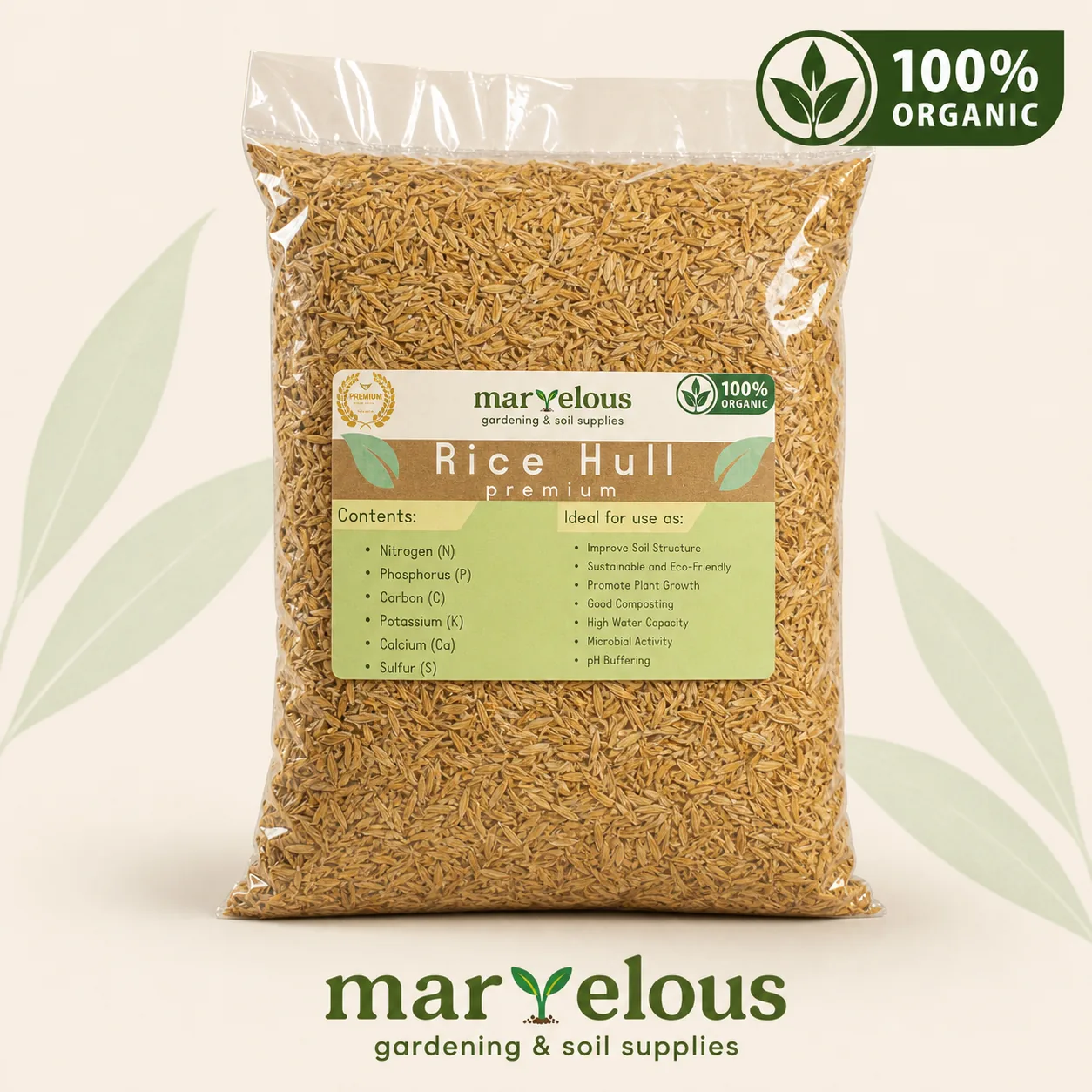
Marvelous Premium Rice Hull is natural rice hull in a 500 g pack. The website does not describe it as CRH or biochar.
How carbonized rice hull is used
Carbonized rice hull has gone through a heating process that changes its color and properties. DA-PhilRice identifies the resulting biochar as a soil conditioner and a carrier in agricultural applications. ATI guides also list CRH in several growing-media combinations. Those references support careful discussion of CRH, but they do not turn an uncarbonized hull product into the same material.
Why the claims must stay separate
A common online mistake is to use research about carbonized rice hull to advertise natural rice hull. That can mislead a gardener about composition, nutrient claims, durability, or expected behavior. When reading an article or listing, look for the exact words natural, raw, decomposed, or carbonized. If the processing method is not stated, ask the seller before relying on a technical claim.
- Do not call natural rice hull biochar.
- Do not copy CRH nutrient claims onto an uncarbonized product.
- Do not assume the same quantity works in every potting mixture.
- Do not use a dark product unless its source and intended use are clear.
Choose by the job in the mix
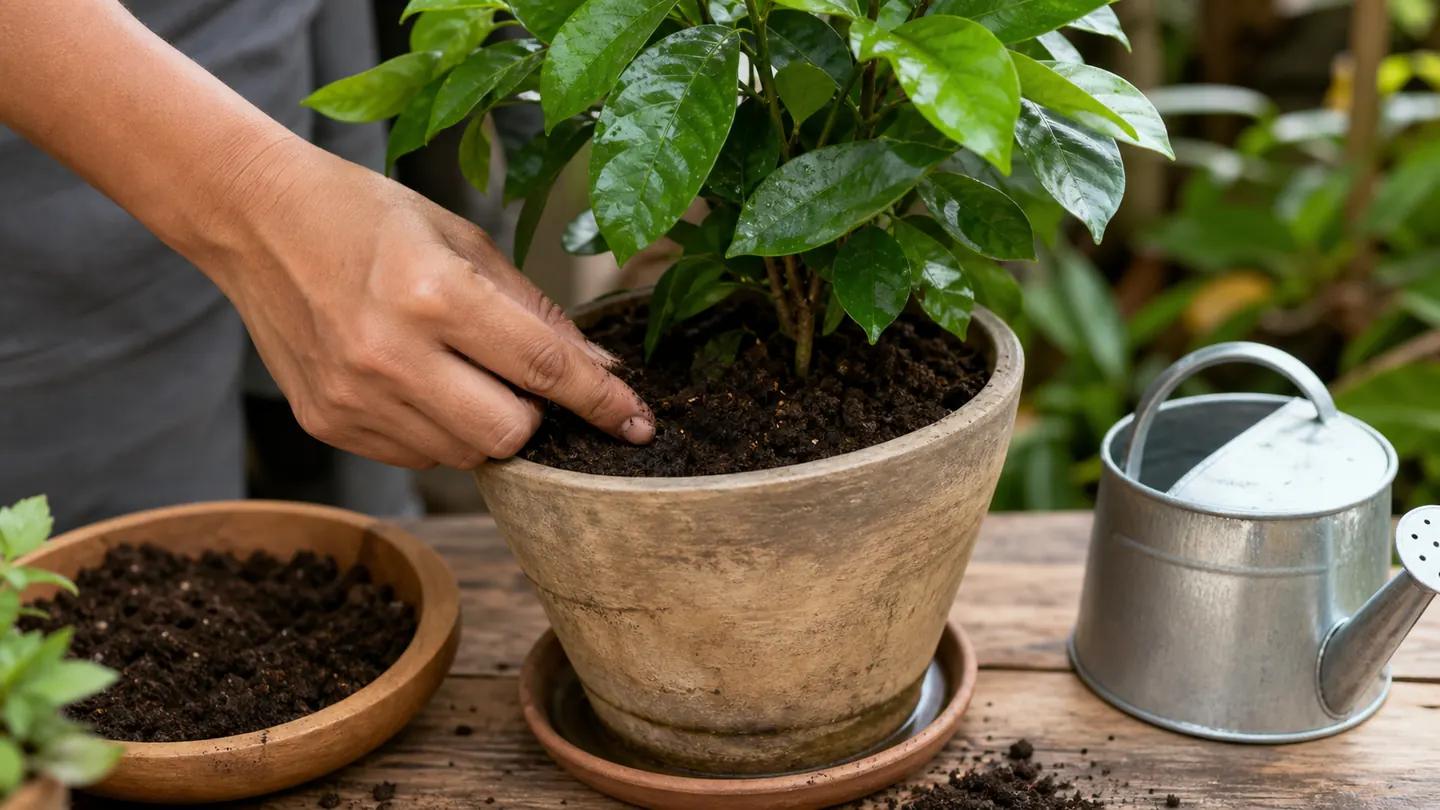
If your goal is a lighter growing-medium component or a compost ingredient, a verified natural rice-hull product may fit the project. If a crop guide specifically calls for CRH, source a product that is clearly identified as carbonized rice hull. In either case, begin with the plant, base medium, container or bed, and drainage condition. Add the material evenly and observe how the mix handles water before making another adjustment.
Store and handle the material carefully
Keep either material dry and protected from rain before use. Wear gloves, avoid breathing dust, and prevent loose hull from blowing into drains or neighboring spaces. For large gardens, calculate the required volume and confirm whether the seller specifies the pack by weight or volume. Those units should not be converted without verified density information.
Common questions
Frequently asked questions
Is rice hull the same as carbonized rice hull?
No. Carbonized rice hull has been processed with heat into a dark biochar-like material. Natural rice hull has not gone through that carbonization process.
Can I substitute natural rice hull for CRH?
Do not substitute automatically. If a crop or product guide specifically calls for CRH, use a verified carbonized product or ask a qualified source whether another material is appropriate.
Can rice hull be used alone in a pot?
Philippine home-gardening references generally show rice hull as one component of a mixture. Use a complete growing medium appropriate for the plant rather than assuming rice hull alone will provide every required function.
Why are rice-hull packs sold by weight?
Sellers may package products by weight for consistency, but a lightweight material's volume can vary with particle arrangement and moisture. Use the confirmed pack information rather than assuming a fixed kilogram-to-litre conversion.
Sources and further reading
Official references used
This guide was prepared using current Marvelous Gardening product information and the Philippine agriculture resources below. External guidance may be updated by its publisher.
- Urban Agriculture for Lowland AreasDepartment of Agriculture – Agricultural Training Institute
- Container GardeningDepartment of Agriculture – Agricultural Training Institute
- The many uses of heat from the carbonizerDepartment of Agriculture – Philippine Rice Research Institute
Ready to explore?
Find a product for your growing project
Review the product information, then check the official Shopee store for current retail details or request a quotation for larger requirements.