Use this guide as a starting point, then follow verified product labels and plant-specific care information for your actual growing setup.
Quick answer
Key takeaways
- Confirm the product label before choosing an amount or application method.
- Blend vermicast evenly with a suitable base medium for new pots.
- Work gently around established roots and keep drainage paths open.
- Observe moisture and plant response before making another change.
Know what vermicast is
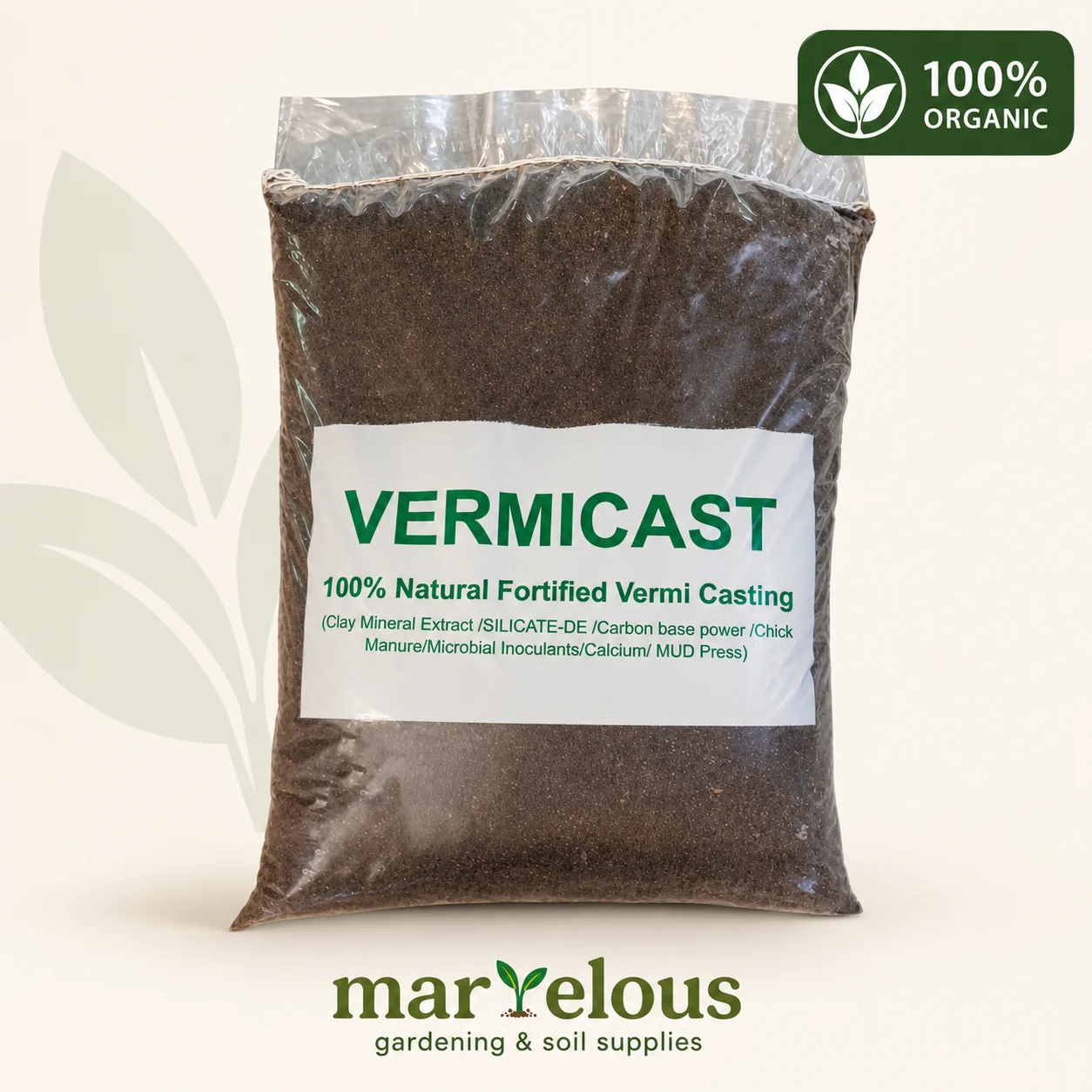
Vermicast is the cast material associated with vermicomposting, a process that uses worms to help transform biodegradable inputs. It is used as an organic amendment, not as a guaranteed cure for every plant problem. Product formulations also differ: Marvelous Fortified Vermicast includes the ingredients stated on its packaging, so its current label should take priority over a generic internet recipe.
Prepare the plant and base medium
For a new container, choose a clean pot with suitable drainage and a base medium appropriate for the plant. Measure the components before mixing so the result can be repeated. For an established plant, inspect the surface and locate major roots before loosening anything. If the plant is already stressed, consider light, watering, pests, temperature, and drainage instead of assuming the growing medium is the only cause.
- Use gloves and avoid breathing dust while handling dry material.
- Work on a tray or clean surface so ingredients stay contained.
- Break apart compacted material gently before measuring.
- Keep the plant at its recommended planting depth.
Mix vermicast into a new container
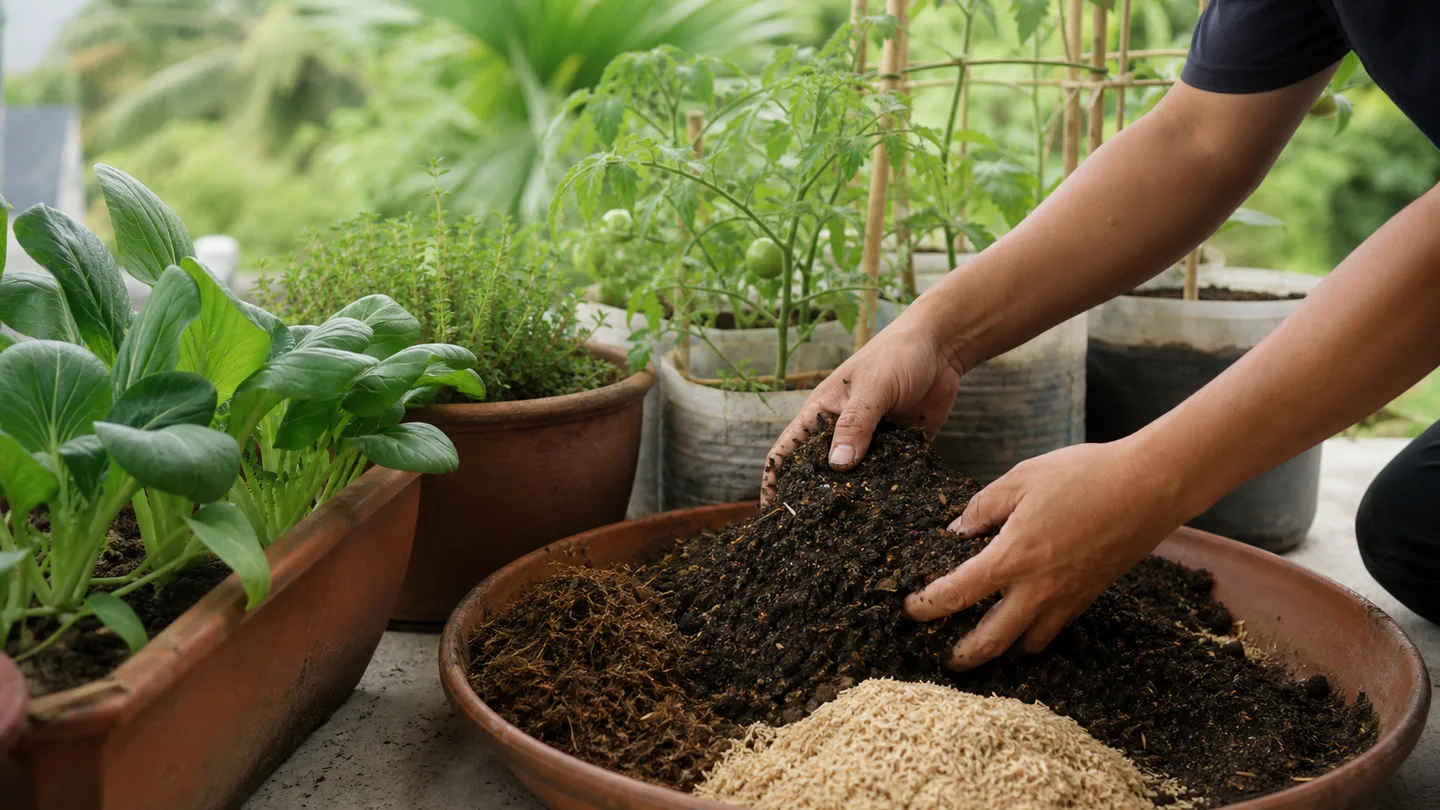
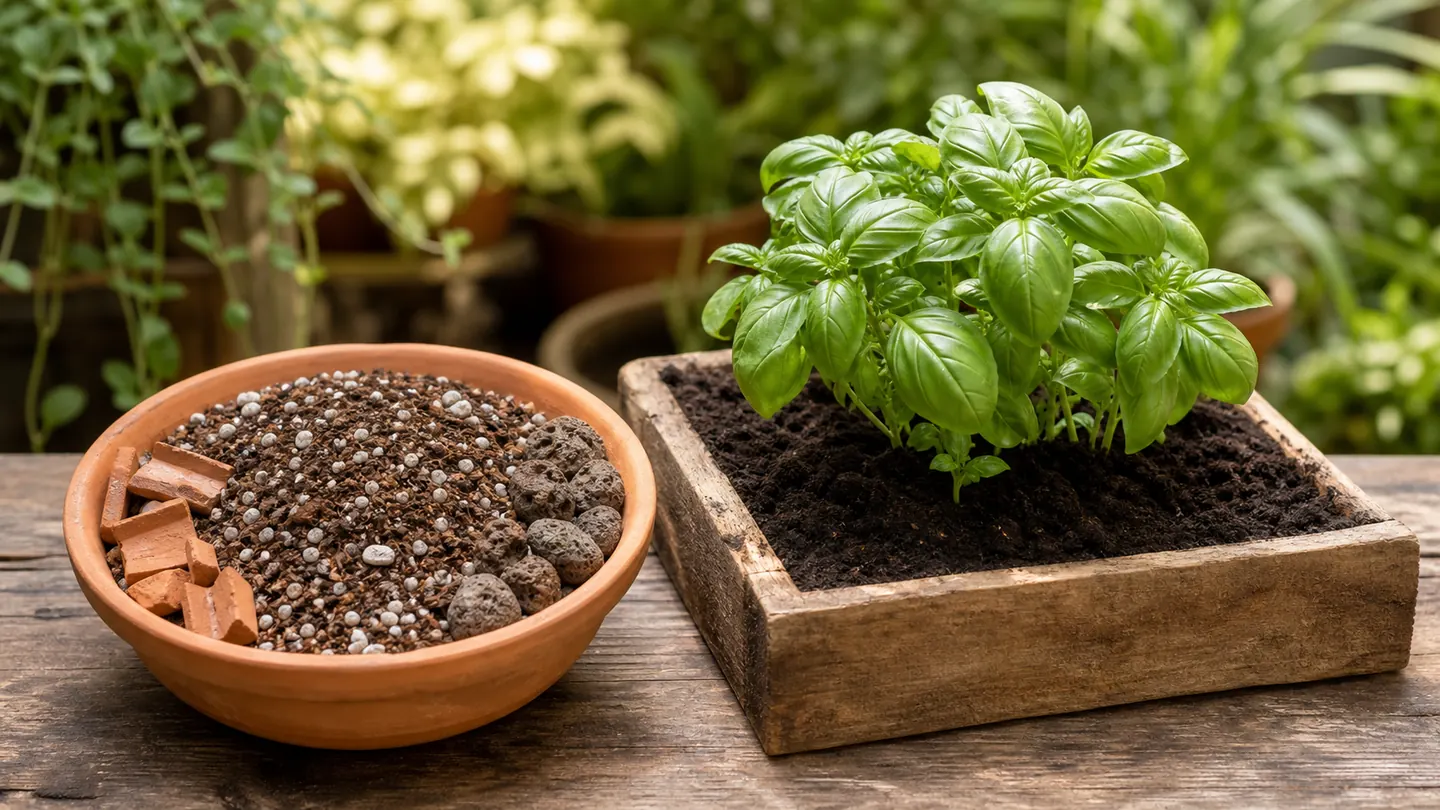
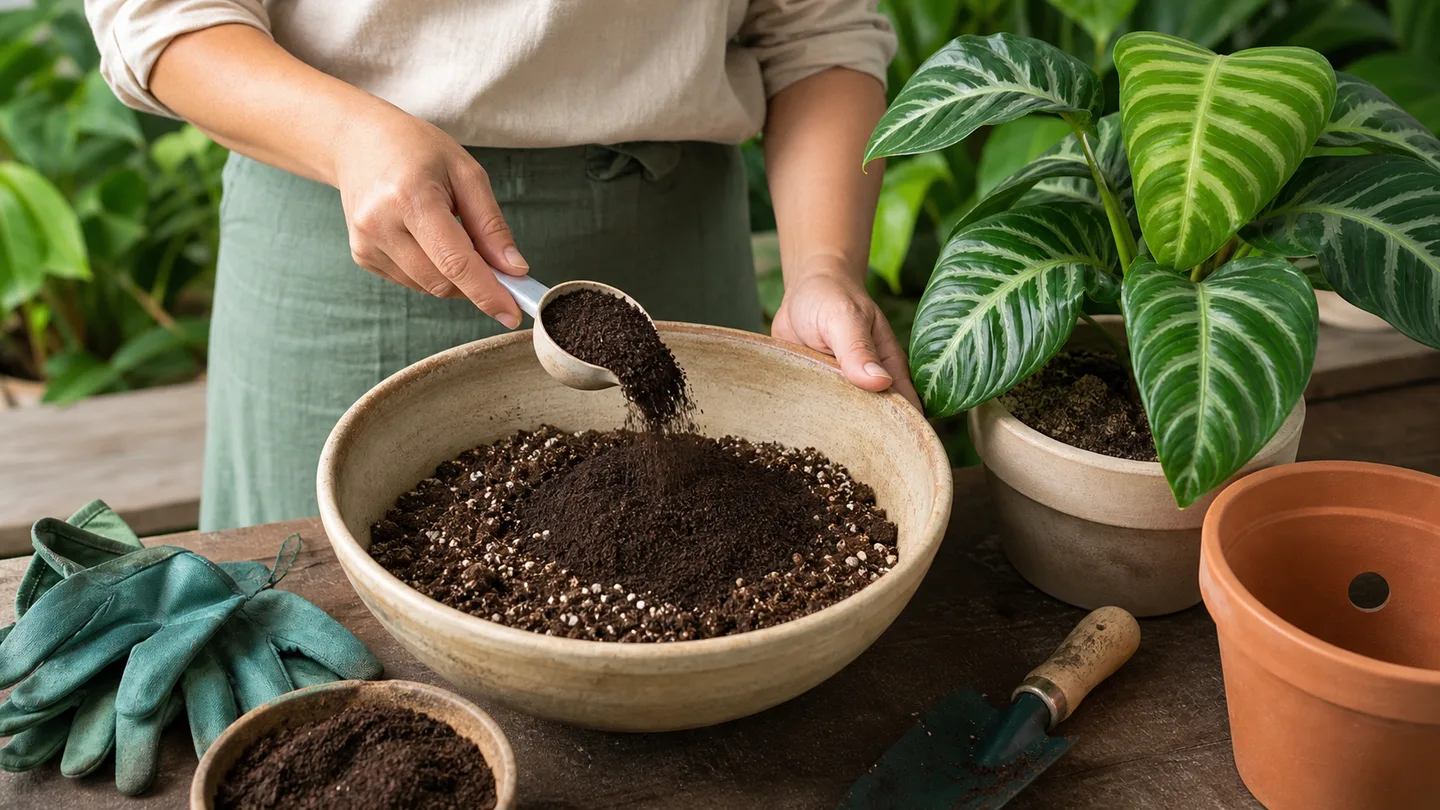
Add the measured vermicast to the base medium and turn the mixture until the color and texture look even. Do not leave a concentrated pocket directly against young roots. ATI's Philippine container-gardening material gives example combinations using vermicast with carbonized rice hull or coir, while other crop guides combine garden soil, compost or vermicast, and rice hull. These are crop-specific references—not permission to ignore the product label.
When using Marvelous Fortified Vermicast, follow the directions on the current pack or official listing. Contact Marvelous Gardening if those directions are unclear for your setup.
Apply around an established plant
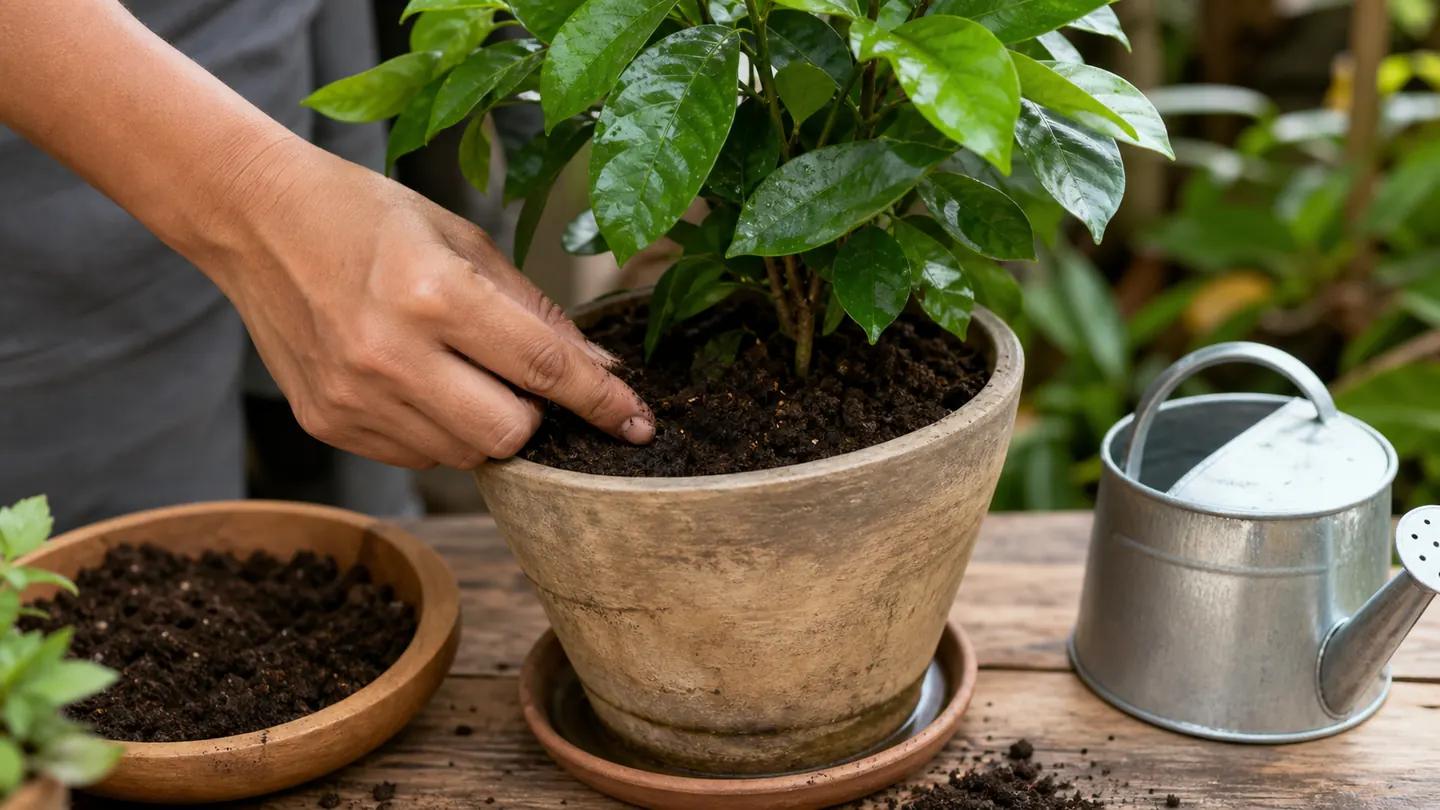
The National Organic Agriculture Program's vermicomposting guide describes surface application around established plants and gentle incorporation for growing plants. Keep the material away from exposed stems when the plant's care guidance calls for a clear crown area. Loosen only the upper surface, distribute the product evenly, and water according to the normal needs of the plant rather than flooding the pot.
- Avoid deep digging that cuts major roots.
- Do not block drainage holes with compacted material.
- Do not combine several new fertilizers or amendments at the same time.
- Record the date and what you changed.
Adjust for weather and drainage
Philippine gardens can move quickly between heavy rain, humid periods, and hot drying conditions. After changing a mix, check moisture in the actual container or bed instead of following a fixed calendar alone. Protect stored vermicast from rain, and do not apply more simply because the surface looks dry. The root zone may still be moist below.
Review the result before repeating
Observe the plant over time and compare it with its normal growth pattern. If water begins pooling, the surface develops an odor, leaves continue to decline, or pests appear, reassess the whole growing setup. Avoid diagnosing a nutrient problem from leaf color alone. For persistent crop problems, seek crop-specific guidance from a qualified nursery, agriculture office, or laboratory service.
Common questions
Frequently asked questions
How much vermicast should I add to a pot?
Use the amount stated on the current product label and the guidance for the plant. Pack strength, ingredients, container size, and base medium differ, so this guide does not invent one dosage for every product.
Can vermicast replace potting soil?
Vermicast is normally used as an amendment within a growing medium. Do not assume it should replace the entire base medium unless a verified product direction and crop guide specifically say so.
Should I water immediately after applying vermicast?
Follow the product and plant directions. When watering is appropriate, apply enough to settle the amended surface without leaving the container waterlogged.
Can I use vermicast during the rainy season?
The season does not remove the need to inspect drainage and moisture. Protect stored material from rain and avoid adding amendments to a saturated growing space until the underlying drainage issue is understood.
Sources and further reading
Official references used
This guide was prepared using current Marvelous Gardening product information and the Philippine agriculture resources below. External guidance may be updated by its publisher.
- Gabay sa Paggawa ng VermicompostingDepartment of Agriculture – National Organic Agriculture Program
- Container GardeningDepartment of Agriculture – Agricultural Training Institute
- Urban Agriculture for Lowland AreasDepartment of Agriculture – Agricultural Training Institute
Ready to explore?
Find a product for your growing project
Review the product information, then check the official Shopee store for current retail details or request a quotation for larger requirements.